Practical Home Garden Mastery: From Indoor Greens to Outdoor Decor
A practical guide blending home improvement with interior style, gardening, and decor for balanced living spaces.
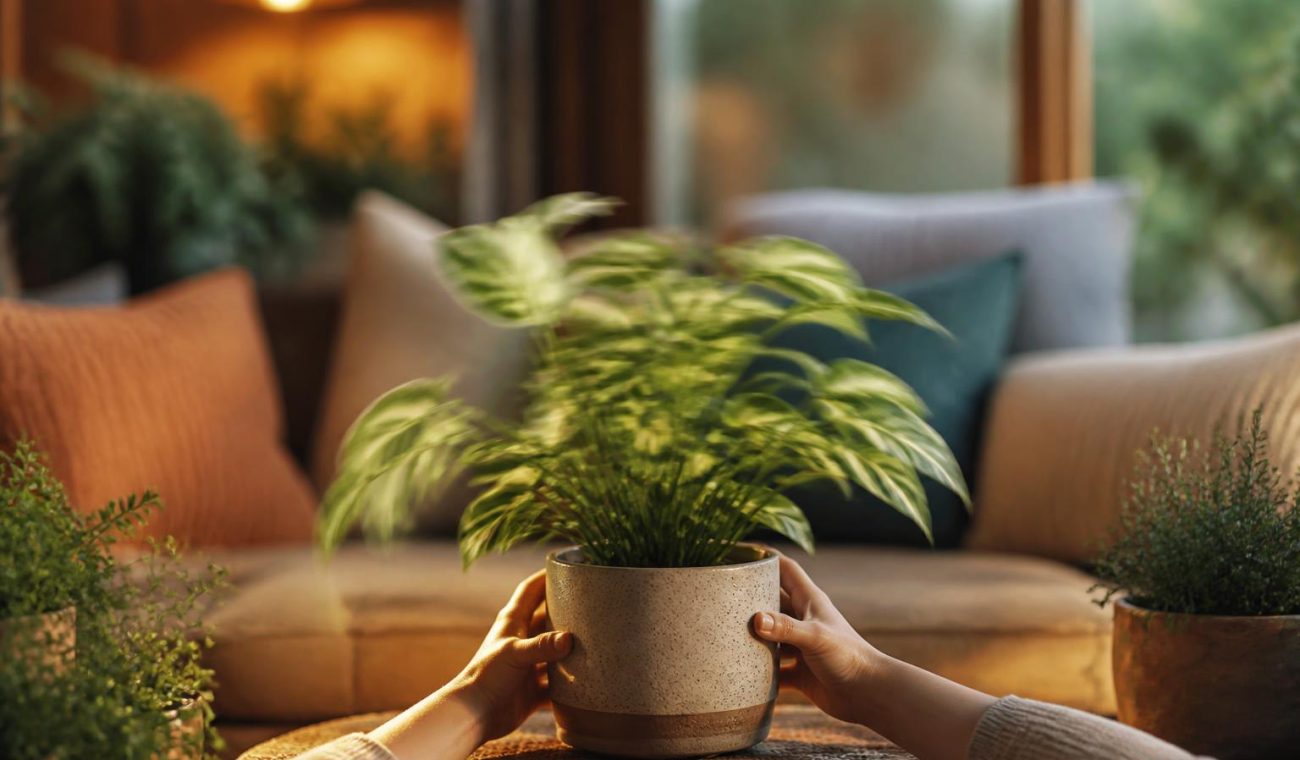
Foundations of a Harmonious Home Garden
Creating a space that blends interior comfort with outdoor vitality starts with a clear plan and a realistic budget. Begin by evaluating light, water access, and soil quality, then map zones for edible plants, ornamental shrubs, and quiet seating. This approach anchors your home improvement efforts in practical outcomes, ensuring the space remains usable year round while lifting curb appeal and daily mood. To stay organized, consider a simple cataloging system for plant types, containers, and decor items, and take notes as seasons shift. For a deeper look, see inertial measurement unit.
As you design, invest in durable containers and weather-resistant materials that complement interior accents. Choose color palettes that echo your living room cushions or rug, then coordinate with a few sturdy garden furnishings. This cohesion between interior and exterior design elevates the overall feel of your home, making gardening a seamless extension of daily living rather than a separate hobby. Start with a small, manageable patch if you’re new to this work.
Seasonal Planting: Edibles, Ornamentals, and Edges
A thoughtful seasonal plan ensures continuous harvests and steady color throughout the year. In spring, plant leafy greens and herbs near the kitchen door for easy access during cooking, while filling borders with bulbs for instant spring color. Summer is prime time for tomatoes, peppers, and fragrant perennials, and fall can bring kale, radishes, and hardy mums to anchor beds. Maintain this rhythm by rotating crops and reusing containers from previous seasons whenever possible.
Protect plant health by consistent watering schedules and soil amendments tailored to each bed’s needs. Use mulch to conserve moisture and suppress weeds, then prune plants to maintain shape and air circulation. A well-timed feeding regimen with balanced nutrients helps vigor without overstimulating foliage, which keeps your decor-focused garden looking tidy and inviting as the seasons progress. Always monitor soil pH for optimal growth.
Water Features and Micro-Ecosystems
Water elements can transform a garden into a tranquil retreat, inviting birds and beneficial insects. A small fountain or a bubbling subirrigation pot creates soothing sounds that pair well with indoor decor sensibilities. Place water features where they reflect sunlight and enhance views from windows, linking interior calm with outdoor vitality. Regular maintenance of pumps and filters prevents algae blooms and ensures the feature remains a highlight rather than a maintenance burden.
Consider a simple rain garden or a ceramic birdbath as focal points that support local ecology. Native plants around these features reduce irrigation needs and encourage biodiversity, which in turn sustains garden health. Integrate soft lighting along pathways to extend usability after dusk, turning the space into a magical, low-key living area that complements interior lighting schemes.
Soil Health and Plant Care Essentials
Healthy soil is the foundation of productive gardening and robust landscaping. Begin with a soil test to determine nutrient levels and pH, then amend with compost and appropriate mineral blends. Build a routine: test seasonally, amend as needed, and document results to refine future planting decisions. Good soil practices reduce fertilizer dependence and support long-term environmental resilience, aligning with thoughtful home improvement goals.
Establish a consistent watering method, such as drip irrigation or soaker hoses, to minimize evaporation and water waste. Mulch heavily to regulate soil temperature and moisture, and apply a fresh layer each season to maintain a tidy appearance. Regular monitoring for pests and diseases allows timely intervention with targeted, low-toxicity solutions that protect both edible harvests and decorative specimens.
Decorative Hardscaping for Human-Scale Comfort
Hardscapes like paths, seating zones, and raised beds frame the garden and connect indoor movement patterns to outdoor spaces. Choose materials that weather gracefully and echo interior textures—think slate, concrete pavers, or timber that complements furniture finishes. A well-planned layout directs foot traffic, creates intimate seating niches, and protects delicate plantings from unintended trampling, all while enhancing exterior aesthetics.
Incorporate architectural features such as trellises, arbors, or screens that add vertical interest and privacy. Use persistent materials that require minimal maintenance to keep your space looking refined through the seasons. Align hardscape color and form with indoor decor to achieve a cohesive, magazine-worthy home environment that remains practical for everyday life.
Tooling, Safety, and Simple Tech for the Garden
Equip yourself with a curated set of essential tools that stay organized and easy to access. A good trowel, hand cultivator, pruners, and a durable watering wand form the core, while a compact storage solution keeps everything at hand. Prioritize ergonomic handles and rust-resistant blades to reduce strain during longer sessions of tending planters and beds, making DIY projects more enjoyable and efficient.
Technology can support garden success without complicating maintenance. A basic weather station or smart irrigation controller can optimize watering timing, while soil moisture sensors help you avoid over or under-watering. Combine practical tech with a simple routine, and you’ll maintain healthy plants while freeing time for interior decorating or quiet backyard relaxation.
Seasonal Decor Swaps: Windows, Vignettes, and Outdoor Rooms
Seasonal decor is a quiet language that communicates care for both home and garden. Swap cushions, lanterns, and handmade crafts to reflect prevailing seasons, while keeping a stable core palette for coherence. Create small vignettes—one near a seating area, another by a flower bed—where textures, colors, and natural materials tell a cohesive story between indoors and outdoors. These micro-scenes invite everyday reflection and seasonal delight alike.
Extend indoor styling principles outdoors by using similar textures such as woven jute, ceramic glazes, and metallic accents. Grow a few herbs in decorative pots near entryways to blur the line between kitchen and garden, reinforcing a unified decor narrative. Thoughtful detail, even small, enriches the overall ambiance and makes every visit to the garden feel intentional and serene.
Practical Notes for Quick Access
- Small-space strategies that maximize sun exposure and plant diversity.
- Reliable watering routines that suit climate and plant choices.
- Integrated decor ideas that bridge interior and exterior aesthetics.