7 Practical Ways a Laser Cutter Fume Extractor Keeps Your Shop Safer and Cleaner
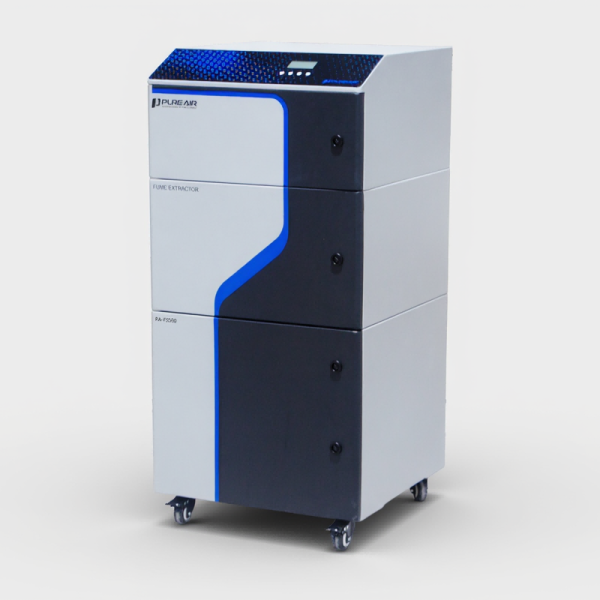
Introduction: A Shop Story, Some Numbers, and One Question
One time mi start up mi small workshop, and di smoke from a late-night acrylic run nearly do mi in — proper choked up, bredda. In that moment I knew we needed a real solution; the laser cutter fume extractor was already on my mind, but I hadn’t done di homework. Recent data shows shops can cut airborne particle exposure by over 80% when they use good extraction and filtration (that’s no small thing). So I ask myself—and you—how much longer you willing fi run risky kit without proper extraction? I write dis as someone who’s fixed fans, swapped filters at midnight, and argued with vendors. I want to share plain sense and real numbers so yuh can act. What follows is a straight, friendly look at why extraction matters, what usually goes wrong, and how to pick a better setup for your space. Next up: we dig into di usual flaws every shop runs into. (Mi tell yuh, it’s not always what yuh think.)
Part 2 — Why Common Solutions Fail: Hidden Pain Points
industrial laser cutter fume extractor systems promise clean air, but many shops still breathe poor fumes. I’ve seen units undersized, filters mis-specified, and hoods placed wrong. Those mistakes make the fan motor run overtime and do little about particulate matter (PM2.5). Look, it’s simpler than you think: mismatch the airflow rate to your cutter and the extractor chokes. HEPA filter grades and activated carbon capacity get ignored, and then people complain about smell and residue. From my point of view, the real pain is expectations—owners expect a miracle box, not a system that needs airflow tuning and correct filter media. We must check static pressure drops and ensure the filter cartridges match the chemistry of what we cut. If yuh rush this, yuh buy noise and bills, not clean air.
Why does placement matter so much?
Placement changes capture efficiency big time. I once moved an extraction hood two inches and the capture rose by half. Small shifts, big gains. Fans, duct length, and bends—each one adds resistance. If the system can’t maintain required static pressure, it won’t capture fumes at the source. I’ve learned to test with simple smoke pens and a sound meter. Trust me, those quick tests save money and lungs.
Part 3 — Looking Ahead: Better Choices and Practical Metrics
We look forward now. New systems mix smarter controls and better filters. For shops ready to upgrade, the future is about matched systems—not just a powerful fan. I expect more units to add sensors that report particulate counts and filter life (so you know when to change cartridges). When you read product specs, pay attention to real capture velocity, not just fan horsepower. I also suggest tutorials and vendor support; I’ve seen units fail because no one set them up. The industrial laser cutter fume extractor I’d recommend links matched components: hood, duct, fan, HEPA and carbon, plus clear maintenance steps. That combo works. — funny how that works, right?
What’s Next for your shop?
Think practical. Start with a test of your current setup, then scale. Replace cheap filters stepwise. Add a short duct run before committing to long runs. I believe the right upgrades are affordable if you plan. Also, ask vendors about real-world case studies; I like hearing how a shop cut PM2.5 by half in three months. Be skeptical of noise-heavy choices; quieter fans often mean better design, not just bigger motors.
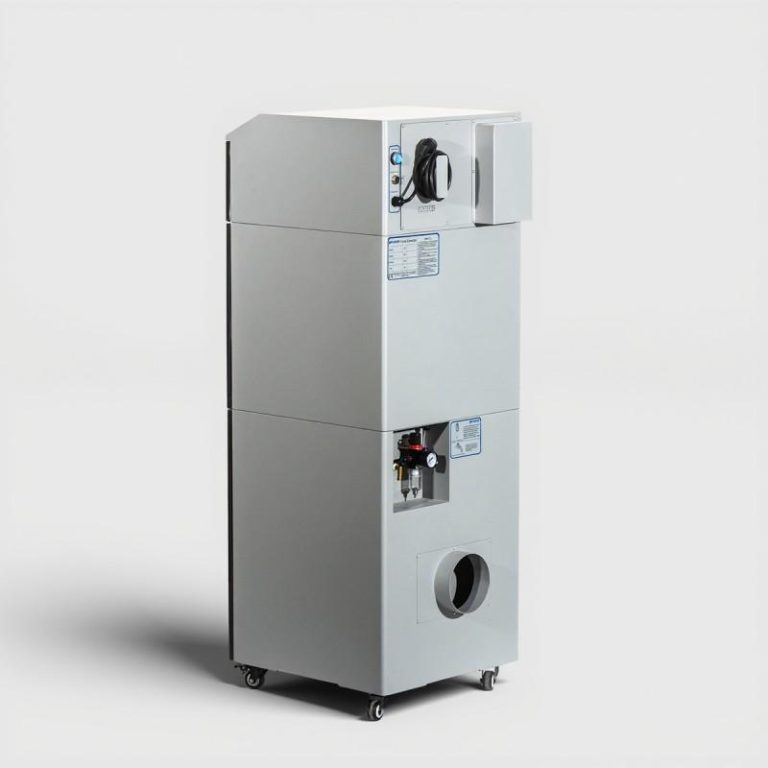 Before you decide, measure these three things: 1) Capture velocity at the laser head, 2) True airflow rate after duct losses (CFM at the hood), and 3) Filter efficiency for your material (HEPA grade and activated carbon capacity). Those metrics tell you if the system will work. I’ve used them in my shop and with clients—results are clear and measurable. For real gear and support, check trusted suppliers. When you’re ready to act, consider a partner who stands behind installation and maintenance. For me, that kind of commitment matters — and it should for you too. PURE-AIR